
-
Art and Heart (With Reader’s Theater)
We know that not all students have ideal home situations. On occasion the hell they live with shows itself though their behavior. I will never forget one little girl I had in my second grade class who hissed instead of responding when someone talked to her. She wouldn’t sit with the rest of the class,…
-
Phonemic Awareness
Phonemic awareness is the ability to hear and manipulate individual phonemes (sounds). Student have this awareness of sounds in order to move on to phonics, which is sounds and letters combined to form words. It is a foundational skill needed to be able to read. It involves hearing and speaking only. A phoneme is the smallest meaningful…
-
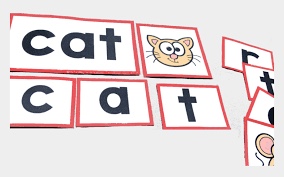
Phonics
NOTE: A child may be able to recite the alphabet, but not know the sounds. Phonics combines both skills. For many students the two skills are too much to tackle at once. Most reading difficulties are a result of a lack of phonemic awareness (sounds). See my page on Resources for Phonemic Awareness first: Resources…
-
Collaboration
In the course I am currently teaching online, I shared my own experiences, both good and horrible, with my students. My hope is that they will learn from my mistakes, as well as my successes. My students are interns all working on the goal of earning their credential. It has been difficult for them to…
-
Fluency
A fluent reader reads smoothly and is enjoyable to listen to. The components of fluency are: Accuracy, Rate, Expression Fluency is important because it provides a bridge between word recognition and comprehension. The most powerful way for you to help your students is to read aloud to them, often and with great expression. You can put…
-
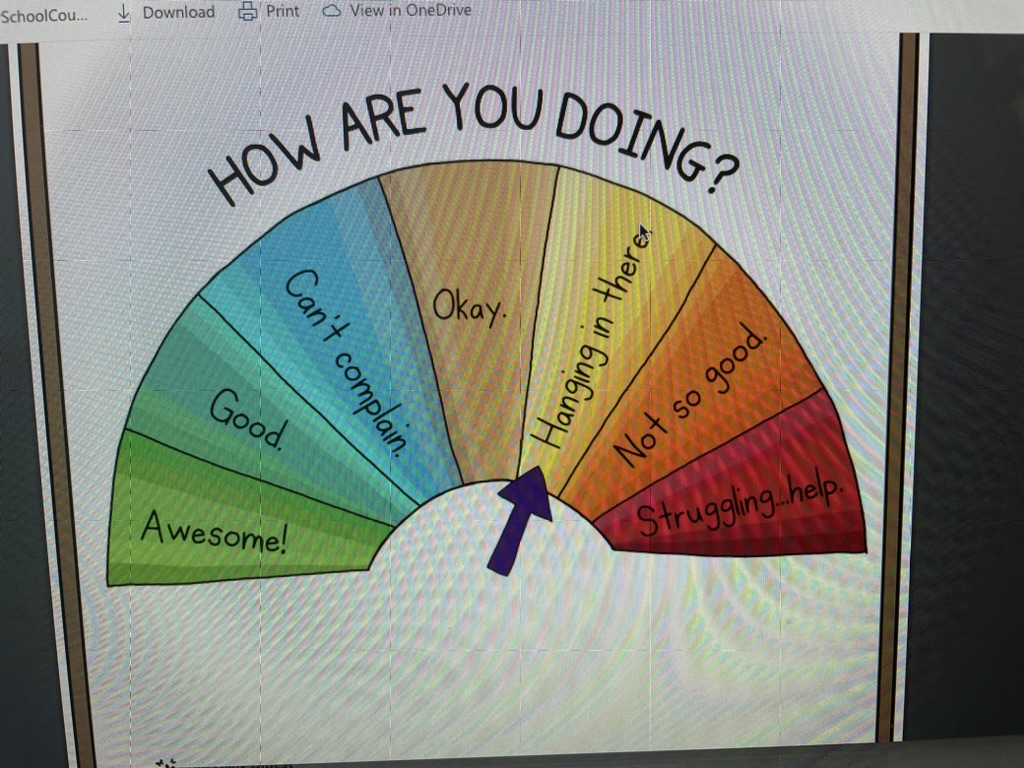
Emotional Check-in
There are so many factors that contribute to anxiety, depression, withdrawal, and often an inability to cope. Sometimes, it’s hard to verbalize emotions. Children are not immune to stressors. Teachers must be mindful that students may be coming from homes that are chaotic and unstable, contributing to a myriad of behavioral issues. A “check-in” can…
-

About Dysgraphia
Dysgraphia is a condition that causes trouble with written expression. The term comes from the Greek words dys (“impaired”) and graphia (“making letter forms by hand”). Dysgraphia is a brain-based issue. It’s not the result of a child being lazy. Writing requires a complex set of fine motor and language processing skills. For kids with dysgraphia, the writing process…
-
Comprehension Strategies
Retell and Summarize Determine the Main Idea Visualize events Question the author Make Connections Compare to other texts Whenever possible, use an ANCHOR CHART Click ‘anchor chart’ ENGLISH LANGUAGE LEARNERS Explicitly teaching words supports language development, but using the word in context allows for a deeper level of understanding. English language learners benefit from the…
-

Let’s Build a Caring Classroom
Photo generated using AI USE CLASS MEETINGS: •To provide a safe, caring environment •To address issues of concern •To allow students to practice social skills •To facilitate problem solving •To increase self-esteem •To build assets Teach “inside” and “outside” compliments. •We talk about what someone IS or DOES, not what they look like. We recognize…
-

Let’s Talk About Spelling
Rote memorization is not an effective way to learn and remember. How many kids forget their spelling words as soon as they finish the test? BORING!!! NOT FAIR!!! We need to give kids an active role. Why Is Spelling So Hard? Spelling is learned in stages. It is developmental Make the learning FUN and…
-
Ableism
I joined a Book Circle with colleagues from Cal Poly. We read Demysifying Disability by Emily Ladau. She is a fierce advocate for disability rights. Each member of the book circle took a chapter to explore and present to the group. I had Chapter 4, Ableism and Accessibility. I decided to extract the quotes I…
-
Time-Out
As I sit in my chair looking out at the ocean, I dream of faraway places I have only seen in magazines, or saw once in a movie. I watch the choppy waves and wonder how a cruise ship manages to get the passengers safely to their destination amidst such an angry sea. I need…
-
Inspiring Young Writers
From my years as a teacher I encountered many students who would shut down when it came to writing. Some would say that they could not think of anything to write. Others had trouble knowing how to begin. I came up with a few ways to inspire my young writers and hope you find them…
-
Teaching Character Traits
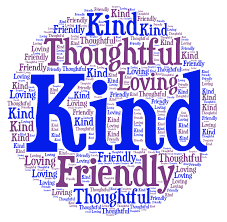
•The Common Core State Standards in 3rd grade fictional literature calls for students to identify and describe characters’ actions, thoughts, and motivations, which is no small task for an 8-year-old who is just beginning to read longer text. Character traits can be positive or negative. Begin with positive traits. Give examples. A great way to do this is…
-
Art and Writing
I like to incorporate art into most subjects, especially writing. Reluctant writers respond well to drawing or painting their ideas first, then transforming their thoughts into words. So often students appreciate the opportunity to have a choice in how they express themselves. I generally encourage students to write about their art, which has inspiired creativity…
-
Learning and Fun
As an elementary school teacher I learned the importance of adding engagement to my lessons. Young students with short attention spans need to move and be actively engaged.. Adding a game can help them stay connected and learn while they are having fun. I am reminded of this quote by Alfred Mercier: “What we learn…
-
Tips For New Teachers
I put together some tidbits of wisdom that I gathered as a teacher, as well as insights from mistakes I have made and learned from. I hope they are of value to you.
-
Name Calling
Children will own the names you call them. Choose your words carefully. This is good advice for teachers, but especially important that parents know this too. They are a child’s first teacher. Call them scholars, call them friends, call them writers, call them mathematicians, call them scientists, call them teachers, call them helpers, call them…
-
We All Shine Differently
Standardized testing requirements are designed to hold teachers, students, and schools accountable for academic achievement and to incentivize improvement. They provide a benchmark for assessing problems and measuring progress, highlighting areas for improvement. Despite these key benefits, standardized academic achievement tests in US public schools have been controversial since their inception. Major points of contention…
-
Differentiated Instruction
Research shows differentiated instruction is effective for high-ability students as well as students with mild to severe disabilities. • When students are given more options on how they can learn material, they take on more responsibility for their own learning. • Students appear to be more engaged in learning, and there are reportedly fewer discipline…
-
New Vocabulary Words for Children
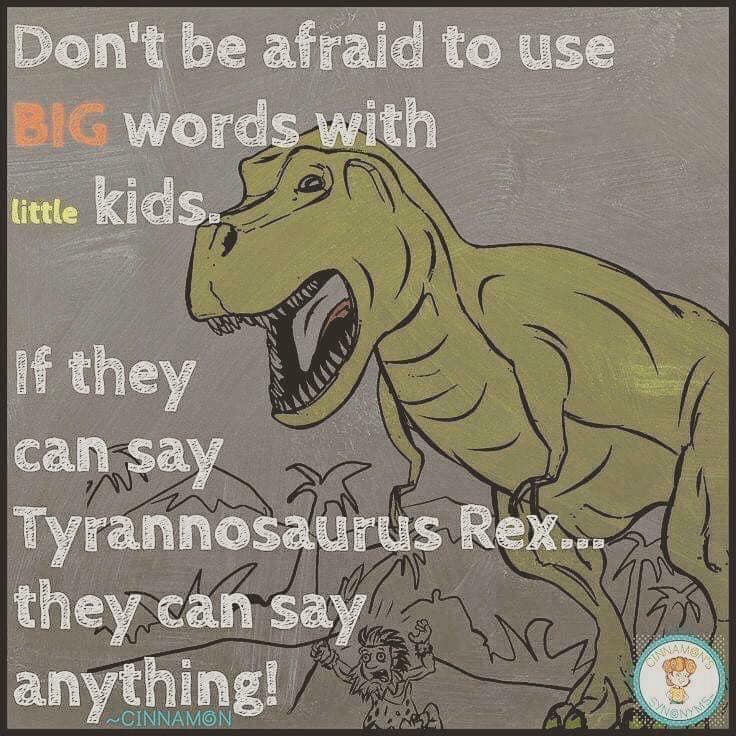
Did you know: •Students must learn 3,000 words per year by 3rd grade. •Only 400 words a year are directly taught by teachers. •Students do not learn vocabulary words based on their age or their grade. •They learn words based on their experiences , (Beck, et al, 2002) •Academic demands are high •Everyday speech consists of…
-
Student Engagement
Student engagement is a vital component in any classroom. Over the past year, remote learning has become a reality for most students around the world. As many students return to in-person learning, or any number of hybrid learning environments, here are some ideas to keep engagement rates high and help maintain student learning in any…
-
Check for Understanding!!
After you teach a lesson, even a mini-lesson, always make sure you scan your group to insure they have a clear understanding of what you have taught. Moving on without a check does a disservice to students. Form a small group to reteach the lesson. The hand method is a good visual that goes a…
-
What If?
I teach an online course for future teachers in a master’s degree program. I was grading journal post last night when I read a student’s journal entry detailing her fears about interacting (or failure to interact) with parents. She was candid in describing possible scenarios. “What if a parent had a horrible school experience and…
-
Active Engagement Strategy
Use Think-Pair-Share at any point in the lesson to structure meaningful conversation: •Before introducing new material to tap into prior knowledge •After watching a film clip to gauge a reaction •After reading a short text to begin a discussion •Before students begin an assignment, such as an essay or a set of word problems, to…
-
Adverse Childhood Experiences (ACEs)
A 2019 report confirmed that experiencing traumatic things as a child puts you at risk for lifelong health effects. What do we mean by Adverse Childhood Experience? Sexual abuse Abuse (physical or mental) Exposure to domestic abuse Exposure to substance abuse Mental illness, parental discord, crime Death of parent Imprisoned parent Impact: Neurobiologic Effects of Trauma : Disrupted neuro-development, Difficulty controlling anger-rage, Hallucinations, Depression, Panic…
-
Don’t Be Afraid to be Silly
It’s good medicine to laugh. It’s even better to have a belly laugh. This is a great way to begin the day, a meeting, the school year. According to Psychology Today, “A hearty chuckle releases endorphins, feel-good neurotransmitters and endorphins are part of the reason laughing is so contagious. Laughing also has many health benefits…
-
Think Aloud Stems
These are sentence stems for various strategies good readers use. Use these to model for students during lessons. Using think alouds is a powerful way to give students strategies they can use when they read independently. ——————————— Teachers can use read alouds to model this powerful comprehension strategy. By sharing their own thinking, they show…
-
Connect With Students
We all know when someone cares about us. Students come to school hoping they will be liked and accepted. A teacher that takes the time to know each student creates a solid foundation of trust. Learning is often connected to experiences and emotions. When a child feels secure, learning can move into long term memory.…
-
Scaffolding
Always tap into a student’s prior knowledge, building on what they know. Help them make connections by using visuals, engaging in partner share, review previous lesson. Moving forward to new subject matter requires assessment to determine if there is a need to reteach. Know your students! Some can take leaps while others require review and…
-
Toot Their Horn
Students flourish when they are recognized and appreciated. There are so many ways to help a student feel great about their success. I like to honor each improvement with a visual representation of their accomplishment. When done selectively, this is a way to boost self-esteem in students, particularly those who don’t generally get recognized. A…
-
Independent vs Dependent Learner
This book should be on every teacher’s desk as a resource for promoting an inclusive classroom. It is important to remember that dependent does not mean deficit. We want all students to work to their full potential. Here is just one sampling of the valuable guidance from acclaimed author, Jaretta Hammond: Dependent Learner Relies on…
-
Quick Check for Understanding
After you teach a lesson, even a mini-lesson, always make sure you scan your group to insure they have a clear understanding of what you have taught. Moving on without a check does a disservice to students. Form a small group to reteach the lesson. The hand method is a good visual that goes a…
 Wrightonwriting.com